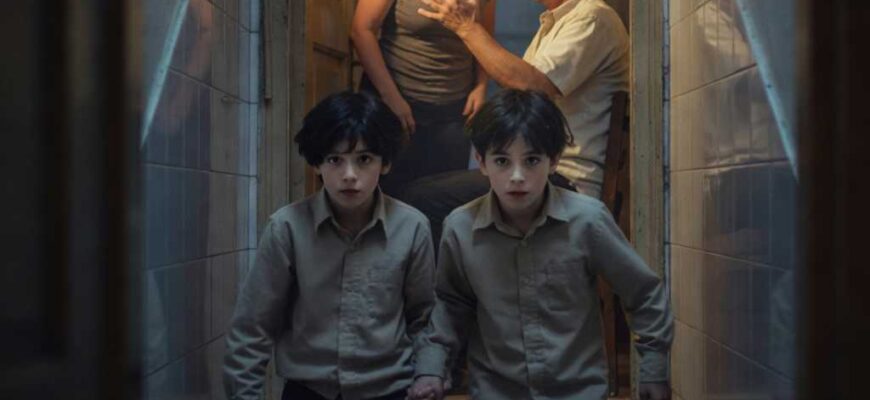
The piercing shouts of a woman cut through the air from behind a door in one of the apartments, filling the stairwell of the Jerusalem building with raw fury that carried to every floor.
At that exact moment Noa and Matan were climbing the stairs. They stopped dead as though they had slammed into an unseen barrier. Their eyes locked for a single heartbeat, and that brief glance needed no words. Both understood at once: the only choice was to leave. They exhaled together, turned, and slipped away from the building without a sound. Returning home tonight was clearly out of the question.
Who would choose to spend the evening trapped in endless parental battles? Not them. The twins walked with purpose toward the neighboring entrance where their grandmother Rivka lived. Lately her apartment had become their only real refuge. What had once been occasional weekend stays now happened almost every night.
Life inside their parents home had grown impossible. Eitan and Shira, lost in their own storm, hurled words at each other without pause. The worst part was how often they tried to pull the children into the middle of it.
Shira would whirl toward her daughter and demand, Tell me Im right. You agree with me, dont you?
Eitan would cut in before any answer came and turn to his son: No, Im the one whos right. Say it!
Noa and Matan stayed quiet. They refused to pick sides or be dragged into the endless war. All they wanted was stillness, safety, and warmththe things they found only at Rivkas.
These explosions happened every day, an old record no one would lift the needle from. The twins had learned to read the early warnings: a certain edge in a voice, a sudden stiffness in movements, the way their parents glanced at each other. Those small signs meant it was time to disappear. What child could bear living in that constant pressure, knowing any ordinary talk could shatter into screaming?
They still could not understand what had broken their family. It had never been perfect, nothing like the smiling pictures on television, yet once their parents had known how to settle things. Fights occurred, but they ended with quiet talks instead of shouts. Shira might frown, Eitan might speak a little louder, yet within half an hour the air would clear. Everyone would sit together, drink coffee, and plan the weekend.
Roughly two years earlier everything shifted. It felt as though someone had quietly swapped their real parents for strangers who now found reasons to fight in the smallest details. A mug left on the table? A long speech about carelessness and disrespect. A shirt on the wrong hook? Sharp remarks about the state of the house. A spoon forgotten in the sink? Treated like a serious offense that required endless discussion.
One evening Noa sat at Rivkas kitchen table, slowly stirring her tea. She watched the liquid swirl for a long time before asking in a tight voice, Grandma, how did it get this bad? Everything changed after their trip together. What really happened?
Rivka set her own cup down and rested a gentle hand on Noas arm. She had only guesses about the cause of the rift, and those guesses gave her no comfort.
The adults will work it out, she answered softly, keeping her tone steady. People sometimes need time to decide whats best.
Noa nodded, but doubt stayed in her eyes. She sensed her grandmother was holding something back, yet she did not push. While they still saw her as a child, nothing important would be shared.
We cant take the yelling anymore! Matan burst out, voice cracking. We cant finish homework or even read without interruptions. I cant remember the last time we all ate together. If living with each other is this painful, let them separateit would be easier for everyone!
The words escaped before he could stop them, but they carried the truth of the past months. He spoke for both of them; he knew his sister felt the same ache. Their home had lost its quiet long ago. One sharp comment from Shira, one irritated reply from Eitan, and another battle would begin with no place to hide.
Matan Rivka looked startled. She put her knitting aside, studied her grandson, and shook her head slowly. Have you thought about what happens after a divorce? You two would be split apart. Are you ready to live without each other?
Well stay with you, Noa said at once, her eyes pleading. Were already here most of the time. You wouldnt mind, would you?
Rivka went still. She understood their exhaustionthe way the constant fighting had worn them down. On one side, the twins would be safe here, able to study without noise, read in peace, and feel protected. She loved them fiercely and would give them that shelter gladly.
On the other side stood their parents. How would she explain that the children no longer wished to live at home? Would Eitan and Shira even agree? If they did, what would that do to the bond between parents and children? Could this choice end in a total break?
Lets not decide in a hurry, Rivka said after a deep breath. You know Im always glad to have you. But first we should speak with your mother and father. Perhaps together we can find a way to repair things.
Dont worry, well talk to them ourselves, Noa answered with sudden brightness. Grandma was nearly convincedthat mattered most. Just promise you wont turn us away. We truly cannot stay there any longer. It would be better for them apartotherwise they might actually harm each other one day. I saw Dad raise his hand at Mom yesterday He didnt hit her, I swear, but he came close.
Noa stopped, the memory tightening her chest. She had walked into the kitchen for water and frozen in the doorway. Her father had stood angled toward her mother, arm lifted sharply, while her mother had instinctively pulled back. A heartbeat later the arm dropped, yet that single moment had felt endless to Noa.
Grandma, please say yes, Matan urged. He moved closer and took her hand as though afraid she would pull away. Well help with every chore. Just dont send us back. They barely notice us anymore. Yesterday I told Dad about the parent meeting. He said, Ask your mother. So I did. Guess what she told me?
Ask your father? Rivka asked quietly, already certain.
Exactly, Matan answered with a bitter laugh. Then they shouted across the apartment for two more hours about who should go. I just stood there listening.
I asked them both to sign a form for a class trip to the museum, Noa added, eyes on the floor, fingers twisting her sleeve. Now Im the only one in my class who cant go. Neither of them signed it. Instead they started fighting againMom yelling that it was Dads job, Dad insisting Mom should handle school things.
Rivka watched her grandchildren and saw the deep fatigue in their faces. This was not ordinary tiredness; it was the kind built from months of the same patternfights instead of warmth, indifference instead of care.
Its always the same, Matan muttered, shoulders slumping. Every request we make becomes another reason to argue. We dont even want to come home. A few nights ago we walked in at eleven and they didnt scold us. They sent us straight to bed without asking where wed been. Later they spent hours blaming each other for raising us badly.
The twins sighed at the same moment. Lately they had begun to think divorce might be the only escape. Yet the idea of being separated from each other terrified them. One would live with their mother, the other with their father, and the closeness they had always shared would shrink to occasional weekends.
They whispered about options in their room after dark. Once Matan joked about running awaypacking bags and disappearing. He smiled while saying it, hoping to ease the mood, but Noa took the words seriously. Her eyes brightened for an instant before she whispered, What if we really did leave, even for a couple of days? In that moment both realized the home situation had grown so heavy that even escape no longer felt impossible.
Then the thought arrived together: Grandma. Why not ask to move in with her? The idea struck them at once. Noa spoke first. Lets ask Grandma if we can live here. She never yells. We wouldnt have to hear the fighting anymore. Matan answered at once. Yes! Shes kind and she always helps us. Her place is big enough for all of us.
They began imagining the new life: quiet mornings, space to study without interruption, evenings playing games with Rivka. No shouting, no blame, no need to hide behind a closed door. Hope stirred in them for the first time in months. Let their parents sort their own problems; the twins would finally have peace.
Mom, Dad, we need to talk, the twins said together, standing in the living room. They had waited until both parents were home and walked in with purpose. Noa gripped Matans hand; the contact steadied her. But first you have to promise to hear us all the way through before you answer.
Eitan looked up from his phone, startled. Shira, sorting papers on the couch, straightened sharply. Her expression said the children had spoken something unthinkable.
This is your fault, she snapped, folding her arms. Youve raised them to give us orders, as if we must explain ourselves to them.
Who are you to complain? Eitan shot back, dropping the phone. Im out working every day to keep this family going. Youve been home with them the whole time. What did you teach them that now theyre telling us what to do?
The twins glanced at each other. They had expected the conversation to slide immediately into accusations. They could not retreat now.
Stop! Noa cried, voice trembling though she fought to keep it level. She stepped forward. Matan and I have decided. You need to get divorced.
The room went silent. Shiras mouth opened but no sound came. Eitan rose slowly from the couch.
This is news, Shira said, her voice low and dangerous. Noa, youre far too young to tell grown people how to live their lives. What else have you two decided? Will you divide the apartment for us as well?
If you refuse to divorce, well go to social services, Matan answered, tightening his hold on his sisters hand. His words sounded steady even while doubt churned inside him. Dad, that could cost you your job. Your company doesnt like public scandalsyou said so yourself. Reputation matters there.
And you, Mom, Noa continued, meeting her mothers eyes, the neighbors will stop respecting you. They wont even speak to you once we tell them what really happens here.
Theyre threatening us! Look at them! Shira burst out, staring from one child to the other. These are our own children. How can they speak to us this way?
Were not threatening, Matan said quietly. Were telling you we cant live like this anymore. Were exhausted. Exhausted from the shouting, from being ignored, from every small request turning into a war.
Youll divorce, youll live apart, and well move in with Grandma, the twins finished together, the words rehearsed. Its better for everyone. Well have peace. Youll have no more fights. We refuse to stand between you any longer.
Eitan and Shira stood frozen. For once neither had a ready reply. In every previous argument they had rushed to attack and defend; now both seemed unable to speak.
Their thirteen-year-old twins faced them with unexpected strength. Noa and Matan stood shoulder to shoulder, hands linked, eyes steady. They spoke of matters the adults had avoided for years.
The parents had considered divorce themselves more than once. The same question always stopped them: who would keep the children? Splitting the twins felt impossible. They had always moved through life together, protecting each other. The idea of one child with each parent, meeting only on weekends, was unbearable.
They had never thought of Rivka as an option. Their own anger had blocked the idea. Now, hearing the plan, both wondered whether this might be the answer. Rivka loved the twins, her apartment was large, she welcomed them always. Perhaps this would ease at least some of the damage.
Ill call my mother, Eitan said at last, voice rough. If she agrees
Shira cut him off before he finished. Fatigue filled her tone, surprising even her. Then we can finally stop destroying each other. Call her. Ill be glad not to see your face every morning.
The words hung between them. She had not meant to sound so harsh, yet years of hurt had pushed them out.
And Ill be just as glad, Eitan answered, masking his pain with a thin smile. There was no rage in his voice, only weary irony at what their marriage had become. He reached for his phone and dialed. While the line rang, both parents looked away from each other. They did not yet know where the call would lead, only that some line might already have been crossed.
That day the Ben-Ari family reached a turning point. It began with a long talk between Eitan and Rivka. She listened without interruption, asking only a few quiet questions. When he finished, she drew a slow breath.
If you both believe this is best for the children, I agree. They will be safe here. I will look after them.
By evening Eitan and Shira sat at the kitchen table for the first time in months without raised voices. They spoke carefully about practical matters. Step by step they reached the same conclusion: divorce was the only workable path. The twins would live with Rivka. Each parent would send money every month for their care.
Neither intended to abandon the children. Both promised to visit on weekends, but on separate days so they would not cross paths. Ill take them out Saturday mornings, Eitan said tiredly. You can have Sundays. Shira nodded. Their goal was simple: reduce contact, protect the twins from further damage, and never argue in front of them.
We remain their parents, Eitan said. That does not change just because we stop being married.
Time proved the choice right. The twins finally relaxed. Noa joined an art class she had wanted for years. Matan started playing on a soccer team and made new friends there. They walked the city together, went to films, talked about school without fearing an explosion at any moment.
Their schoolwork steadied. They had a quiet space to study, free from shouting. Homework was finished without panic, and grades improved quickly. Teachers noticed. Youre both so focused now, one said. Keep going.
Life settled into a steady rhythmimperfect, yet calm. The twins stopped hiding in their room or jumping at loud voices. They simply lived the way teenagers should when they have found a place to stand.
Five years later the Ben-Ari household moved at a quiet pace. Noa and Matan had grown used to the new pattern: school, activities, friends, evenings with Rivka. Their parents still visited on alternate weekends, bringing gifts and attention but leaving old bitterness behind. Over time they had learned to speak politely and keep their distance.
The first real meeting between the former couple happened at the twins graduation. Both parents attended the ceremony. They sat apart at first, wary, but as the evening went on the distance between them shrank. When dancing started, Eitan walked over to Shira.
Would you like to dance? For old times?
She paused, then nodded.
Afterward they sat outside the school, watching graduates laugh by the fountain. Talk came easilyfirst about the children, then about earlier years. They spoke of good memories without reopening old wounds. From across the courtyard Noa and Matan watched with relief and a quiet ache. It still hurt to see their parents treat each other like strangers.
The next day Eitan and Shira invited the twins to a café. Over coffee they reached for each others hands. Eitan smiled broadly. Weve decided to remarry. After all this time we know our feelings never disappeared. We still love each other and want to try again as a family.
His voice carried real joy. Shira looked hopeful, waiting for delight.
The twins glanced at each other. Their faces darkened. The same pattern again. Could their parents truly live together without the old explosions?
Youre serious? Noa managed.
Completely, Eitan said. Weve both changed. Weve learned to listen. This is our second chance.
The twins stayed silent. Hope and fear twisted inside them. They wanted to believe the change was real, yet they dreaded the pain returning. They offered no argument, no comment at all. Their silence stung the parents.
Shira looked confused. Youre not happy? We thought you would be glad for us.
Noa and Matan only shrugged. What could they say without sounding cruel or false? The words would not come. The rest of the meeting passed in awkward politeness. On the way home Noa murmured, I hope they know what theyre doing.
Matan exhaled but said nothing.
So were applying to Tel Aviv? Noa opened her laptop and began scrolling through university pages. Far enough from all this. I already know how this latest round will end.
Were going, Matan answered, weariness in his voice that no longer sounded young. He pushed a hand through his hair. Theyll manage peace for a month or two. Then the doors will slam again, the accusations will start. I refuse to be trapped in their cycle any longer. I wont wake up every morning guessing whose anger will land on us today.
He paced the room, gathering books. The same question circled in his mind: why did adults, meant to show strength and sense, act like frightened children repeating the same mistakes?
We have to leave, he said again at the window. Evening light turned the city soft orange. He stared out as though searching for the future. Far enough that their fights cant reach us. Let them fix their own mess. We are not their counselors or their shields anymore. We have lives and dreams, and I will not let their chaos destroy them.
When do we send the applications? Noa asked.
Tomorrow, he answered at once. Before we can change our minds.
She nodded, eyes on the screen. She had spent days studying programs, dorms, and future job chances. Lists filled the notebook beside heradvantages, deadlines, contacts.
The important thing is to study without their noise pulling us back, she said. It will be good to be this far away.
Exactly, Matan agreed, leaning in to read with her. When they start blaming each other again we wont hear it. They can call and complain and demand family meetings. Were done participating. Their wish to try again is their decision, not ours.
Shira and Eitan held the second wedding after all. They chose a small ceremony at the registry office followed by dinner with only close family and a few friends. No grand celebration, no extra cost, no wish for attention.
In the photographs they looked genuinely contentsmiling, holding hands, exchanging quiet looks. Their fingers were linked, their faces soft. It seemed every old hurt had been set aside, that the years apart had helped, that they finally knew what they wanted. The twins studied the pictures and wondered whether this time might be different.
It was not. The first weeks after the wedding stayed calm. They spoke more kindly, thanked each other, avoided small complaints. Within a month the old patterns returned. Raised voices filled the apartment again. At first the arguments were quiet but cutting. Then they grew loud and frequent, sparked by nothinga wet towel, forgotten bread, a television left on too loud.
Two months later, exactly as Matan had warned, the tension broke. An argument over groceries ended with Eitan flinging a cup against the wall. It shattered. Shira grabbed a plate and slammed it to the floor. The sound of breaking dishes rang through the rooms.
After every explosion one of them would call the twins. The conversations always began the same way: breathless, full of fresh grievances.
Can you believe what he said to me today? Shira would cry when Noa answered. He refuses to listen.
Son, you must understandshe has no control, Eitan would tell Matan. I try, but she looks for reasons to fight.
Noa and Matan had learned to cut these calls short. They no longer tried to judge or soothe. Their answers were brief and steady.
Mom, Im in class. Ill call later, Noa would say, watching the clock though she had time to spare.
Dad, I have work due. We can talk on the weekend, Matan would answer without looking up from his screen. He knew once a parent started talking the call could last an hour, followed by more attempts to calm them.
Later and the weekend kept being postponed. The twins invented reasonsstudies, jobs, friendsand the calls grew rarer. They felt no guilt. They were guarding their own peace, knowing they could not mend what was broken between their parents.
The twins had built real lives now, separate from the old storms. Their days belonged to their own plans and interests.
Noa had thrown herself into psychology. She wanted to understand why people acted as they did and how to help those in pain. In her third year she began volunteering at a center for teenagers from difficult homes. She ran group sessions, listened when the kids needed to speak, helped them find ways forward. She recognized pieces of her own past in them and tried to offer the attention and steadiness she had once needed.
Matan had found his place in technology. Programming drew him inthe clean logic, the chance to build something that worked. He spent hours coding, learned new languages, joined student competitions. In his fourth year his team placed third in a regional app development contest. The recognition gave him confidence. He took a part-time job at a small company and proved himself reliable. Real projects taught him how to work with others and solve unexpected problems.
Together they planned futures that did not orbit their parents fights. Noa hoped to open her own practice helping families communicate. Matan considered starting his own small business. They sat in cafés, sketched ideas, filled notebooks. In those hours they felt steady. They had direction. They had a life that was finally their own.
When Shira and Eitan called again in tears, pouring out the latest disaster and begging the twins to take sides, Noa and Matan answered with the words they had already agreed upon.
Enough, Noa said firmly. You have your lives. We have ours. Sort it out yourselves.
But were your parents! Shira wept. You should stand with us.
If you acted like adults instead of children, we might, Matan replied at once. You chose to remarry. You keep hurting each other. You cannot share space without war. Stop forcing us to watch. Get divorced and live apart.
The words were hard, yet the twins spoke them because they wanted only to live in peace.