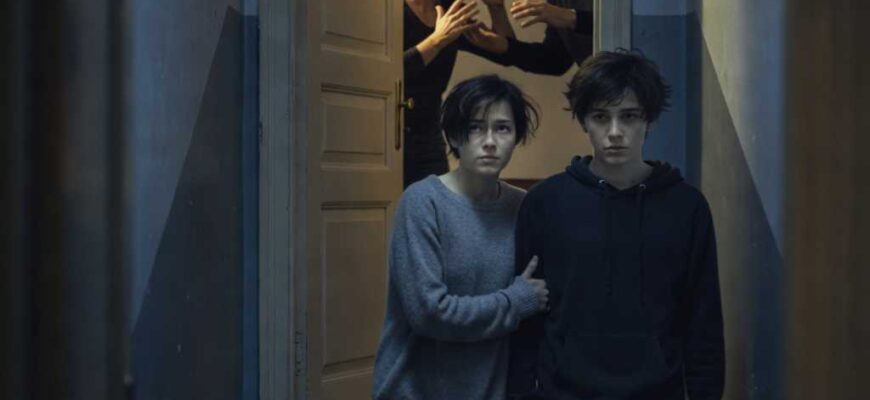
What’s wrong with you this time?! How much can one take?! I’ve had enough of it all! the woman’s voice echoed from behind an apartment door, carrying through the entire building hallway.
Shira and Matan paused mid-step on the stairs, as if striking an unseen barrier. Their eyes locked for a brief moment, exchanging an unspoken understanding: it was wiser to leave now. They exhaled together and turned away from the building without a word. Returning home that evening was clearly off the table.
Who would choose to spend the night listening to nonstop parental fights? Not them. The siblings strode purposefully toward the next building where their savta Keren lived. Her place had turned into their steady refuge lately. What used to be weekend visits now happened nearly every night.
Life at home had grown impossible. Their parents seemed to forget everything else, yelling without pause. The worst part was how often they pulled the children into the middle of it.
The mother might spin toward her daughter and insist:
Tell me I’m right. You agree with me, don’t you?
The father, not waiting, would face his son instead:
No, I’m the one who’s right here. Back me up!
Shira and Matan kept quiet. They refused to pick sides or join the endless clash. All they wanted was quiet, calm, and warmth the kind they found with their grandmother.
These moments repeated daily like a scratched record no one would lift the needle from. The twins had learned the early signals: a certain tone, sharp gestures, the way their parents glanced at each other. Any talk could explode into shouting without warning. Few children thrive under that constant strain.
They couldn’t pinpoint what had started the collapse. Their family had never been picture-perfect, yet the parents once knew how to work things out. Fights happened, but they ended in steady conversation. Mom might look displeased, dad might speak louder, yet within half an hour peace returned. Everyone gathered at the table, sipped tea, and planned the weekend.
Roughly two years earlier everything shifted. It felt as though the old parents had been quietly replaced by versions who found fault in everyday details. A mug left on the table became a lecture on carelessness. A shirt on the wrong hook sparked remarks about household order. A spoon in the sink turned into an offense deserving lengthy scolding.
One evening Shira sat at savta’s kitchen table, absently stirring her tea. She watched the swirls for a long while before asking bitterly:
How does this even happen, Savta? It all changed after their trip together. What went wrong there?
Keren set her cup down and gently touched Shira’s arm. She had her own guesses about the rift, and they brought her no joy.
Grown-ups will handle it, she answered softly, keeping her voice steady. People sometimes need space to decide what comes next.
Shira nodded, though doubt lingered in her gaze. She sensed her grandmother held something back, yet she chose not to press. While treated as a child, serious matters would stay hidden.
We can’t stand the shouting anymore! Matan burst out. Homework gets ruined, books stay closed. I can’t recall the last time we ate together as a family. If they can’t manage side by side, let them separate everyone would breathe easier!
The words escaped unfiltered, carrying months of truth. Matan spoke for both of them; he knew his sister shared the weight. Their home had lost all stillness. Either mom snapped or dad answered sharply, and the clash resumed with no escape.
Matan Keren faltered. She set her knitting aside, studied her grandson, and shook her head slowly. Have you considered what follows if they split? You’d be divided. Are you prepared to live apart from Shira?
We’ll stay here with you! Shira said at once, her eyes pleading. We’re already here most of the time. You wouldn’t mind, would you?
Keren stayed still. She grasped the grandchildren’s exhaustion saw how the arguments drained them. On one side, they would be safe in her steady home, free to study without noise and feel sheltered. She loved them deeply and stood ready to care for them fully.
On the other side stood their parents. How would she explain the children’s wish to leave? Would the parents accept it? If so, how might it reshape those bonds? Could the choice create a lasting distance instead of relief?
Let’s not decide in haste, she said after a long breath. You know you’re always welcome. Still, first let’s speak with your mother and father. Together we might find a path to mend things.
Don’t worry, we’ll handle the talk ourselves, Shira replied with a hopeful smile. Savta was nearly convinced, and that mattered most. Just don’t turn us away. We truly can’t remain there. It would suit them better apart too otherwise they might truly harm one another someday. Yesterday I watched Dad raise his hand toward Mom He stopped short, I swear, but it was close.
Shira grew quiet, the memory returning. She had entered the kitchen for water and halted: her father half-turned, arm lifted sharply, her mother instinctively flinching. The hand dropped a moment later, yet that instant stretched endlessly in her mind.
Savta, say yes! Matan urged, stepping nearer and clasping her hand. We’ll help with every chore. Just don’t send us back. They barely notice us. Yesterday I told Dad about a parent meeting. He said, Ask your mother! I did. Guess her reply?
Ask your father? Keren asked quietly, already knowing.
Right! Matan gave a bitter laugh. Then they argued two more hours over who should attend. They sat in separate rooms and shouted down the hall while I stood listening.
I needed a signature for a museum outing, Shira added, eyes down, fingers twisting her sleeve edge. Now I’m the only one in class staying behind. Neither signed. Instead they fought Mom insisted it was Dad’s duty, Dad claimed Mom should manage school matters.
Keren watched them and recognized the depth of their weariness. It was not ordinary tiredness but the kind built over months of tension replacing family closeness and indifference replacing care.
Always the same, Matan sighed, shoulders sinking. His voice carried the weight of repeated words. Every request sparks a fresh fight. We dread coming home. Days ago we arrived late at night and faced no scolding, only orders to sleep without questions about our whereabouts. Later they blamed each other for poor parenting.
The twins sighed together once more. Lately they had weighed divorce as the sole escape. Yet separation terrified them. One would stay with Mom, one with Dad, and their tight bond would shrink to occasional weekends.
They whispered options in their room after dark. Matan once joked about packing bags and leaving. He smiled to ease the air, but Shira took it seriously. Her eyes flashed, then she murmured, What if we actually go, even for a few days? Both understood then that home had grown so unbearable the idea no longer felt reckless.
The thought struck together: Savta! Why not ask to live with her? Shira spoke first: Let’s request to stay here. She won’t shout or argue. We won’t hear those fights Matan added at once: Yes! She’s kind and steady. Her place is roomy enough.
They pictured quiet mornings, homework without interruption, evenings over games with their grandmother. No raised voices, no accusations, no hiding. Hope stirred after a long silence. Let the parents settle their own matters; the twins would finally rest.
Mom, Dad, we must speak seriously, the twins said together, standing in the living room. They had waited for an evening when both parents were present and entered with resolve. Shira gripped Matan’s hand for steadiness. First promise to hear us fully before answering.
Eitan set his phone aside and looked up, surprised. Talia, sorting items on the couch, straightened abruptly, her face showing disbelief at the children’s words.
This is your doing! she snapped, arms folded. The children now dictate terms as if we answer to them!
Listen to yourself! Eitan flared, phone forgotten. I work constantly to support everyone. You were home with them. What exactly did you teach? Why do they now give orders?
The twins glanced at each other. They had expected the talk to slide into familiar accusations, yet retreat was not an option.
Stop! Shira cried, voice tight. She stepped forward, forcing calm despite her shaking. Matan and I decided you should divorce.
Silence fell. Talia froze mid-breath; Eitan rose slowly.
Quite the announcement! her voice turned sharp. Shira, you’re still young to advise adults on living. What else have you settled? Perhaps split the apartment while you’re at it?
If you refuse, we’ll reach out to social services, Matan said, squeezing his sister’s hand for strength. His tone held firm even as doubt lingered inside. Dad, that could affect your job. Your company dislikes public disputes; you’ve said reputation matters most.
And Mom, Shira continued, meeting her mother’s eyes, neighbors will lose respect. No one will speak with you once we share what we hear daily!
They’re threatening us! Look at them! Talia managed. Our own children! How dare you?
We’re not threatening, Matan answered steadily. We simply need you to see this cannot continue. We’re exhausted from the noise, from being unheard, from every request becoming battle.
Divorce, move apart, and we’ll live with Savta, they finished together as practiced. Better for all: calm for us, fewer clashes for you. We won’t stay caught between you any longer.
The parents stood wordless. For once they lacked an immediate reply. Normally arguments followed at once, yet both seemed struck silent.
Their thirteen-year-olds acted far beyond expectation. Shira and Matan stood linked, gazes steady, speaking of matters adults avoided.
The couple had considered separation before but always stopped at the question of the children. Dividing twins felt unthinkable; the pair did everything together and leaned on each other. Parents could not picture one in each home, meeting only occasionally.
They had never weighed the grandmother option. Absorbed in grievances, the idea never surfaced. Now, hearing the proposal, both wondered if it offered a way forward. Keren adored the children, her apartment was spacious, and she welcomed them always. Perhaps it eased part of the strain.
I’ll call my mother, Eitan said at last, voice low. If she agrees
Talia cut in, fatigue evident even to herself:
Then we stop tormenting each other. Call her. I’ll be glad not to face you daily.
The words hung heavy. She regretted the edge yet years of hurt had pushed them out.
I’ll be equally relieved! Eitan answered, masking pain with a wry tone.
No rage colored his reply, only weary acceptance of what their life had become. He dialed slowly. While rings sounded, both looked away. They sensed a threshold might already lie behind them.
That day the Shalev family chose a turning point. It began with Eitan’s long talk with Keren. She listened without interruption, asking only occasional questions.
When he finished, she drew a breath and replied:
If you both agree this serves the children best, I consent. They will be safe here under my care.
That evening the couple sat in the kitchen without raised voices for the first time in ages. They discussed details and reached one conclusion: divorce was the clearest path. The children would move to their grandmother; the parents would send monthly support in shekels for their needs.
Neither planned to abandon their roles. Both pledged weekend visits on alternate days to limit contact.
I’ll take them Saturday mornings for outings; you take Sundays, Eitan said wearily. Talia nodded. This keeps things simpler. The children must not feel cast aside.
Their aim was reduced interaction to prevent fresh clashes. They agreed to avoid discussing each other before the twins or settling scores in their presence.
We remain their parents, Eitan noted. That duty holds even without marriage.
Time proved the choice sound. The twins relaxed and lived as typical teenagers. Shira joined an art group she had long wanted but never found time for amid worry. Matan took up soccer and made friends on the team. They walked the city, saw films, and spoke of school without fearing sudden storms.
Studies steadied too. Quiet space allowed focus; grades rose. Teachers remarked on the shift: You’ve grown so attentive keep going!
Life settled into a calmer rhythm, steady if not perfect. The twins stopped hiding, stopped flinching at voices, stopped dreading each day. They simply lived as adolescents who had found steadiness amid hardship.
Five years on, the Shalev household moved at an even pace. Shira and Matan had settled into the pattern: school, activities, friends, evenings with Savta. Parents visited on separate days, bringing gifts and attention yet no disputes. They had learned restrained, polite exchange.
First direct contact between the former spouses came at the twins’ graduation. Both attended the school event. They sat apart at first, wary, yet the distance eased.
During dancing Eitan approached Talia:
Shall we dance? For old times.
She paused, then agreed.
Afterward they sat in the schoolyard watching graduates by the fountain. Talk began naturally, first about the children, then the past.
They spoke of better days from their marriage and stayed composed. The twins watched from afar, relieved yet saddened that their closest kin once treated each other as foes.
The next day the parents invited them to a café. Over tea they clasped hands. Eitan smiled broadly:
Children, your mother and I have decided to remarry. We see our feelings never left. We still care and want our family whole again.
His voice carried joy. Talia glowed, expecting delight.
The twins shared a glance, faces clouding. Shira’s eyes held doubt; Matan tightened his fists. The same pattern again! Could the parents truly share space without conflict?
You’re certain? Shira managed.
Completely, Eitan replied. We’ve both grown. We listen now and seek a fresh start.
The twins stayed silent. Hope and fear battled within them.
They offered no protest or comment, wounding their parents. Talia looked confused:
Aren’t you pleased? We thought this would make you happy.
The twins merely shrugged. No fitting words came; they would not feign joy nor appear heartless.
The meal dragged. Parents described plans; children nodded politely while thoughts wandered. On the walk home Shira murmured:
I hope they understand what they’re doing.
Matan exhaled.
So we’re heading to Jerusalem? Shira opened her laptop to scan university sites. Far from this chaos. I can already picture how this cycle ends.
We’re going, Matan said with quiet resolve. Weariness beyond his years edged his voice. He pushed back his hair. They’ll manage a month or two peacefully. Then the shouts, slammed doors, and blame return. I refuse to stay hostage to their bond. I won’t wake wondering their mood and which of us faces the next wave of complaints.
He paced, gathering books. The question looped: why do adults, meant to model wisdom, act like restless youths? Why repeat the same errors instead of resolving issues?
We must leave, he repeated at the window. Twilight softened the city in orange hues. He gazed outward. Far enough their arguments cannot reach. Let them settle it. We’re no longer their counselors, go-betweens, or targets. We hold our own lives and dreams; I won’t let another round of parental turmoil ruin them.
When do we apply? Shira asked evenly.
Tomorrow, he answered without pause. To lock in the choice.
She nodded, eyes on the screen. Pages of Jerusalem university programs scrolled past; she had noted housing options and job prospects. Her notebook held lists of advantages, documents, deadlines.
The key is steady study without their dramas pulling focus, she said. It’s good we’ll be distant.
Precisely, Matan agreed, leaning in. When they restart the blame game, we won’t hear. Let them call and complain; we step back. Their wish for another chance is theirs alone.
Talia and Eitan held the second wedding after all. They chose simplicity: no large event, no extra cost or attention. A modest ceremony at the rabbinate followed by dinner with close family and friends.
Photos showed genuine smiles and clasped hands. They appeared at ease, grievances set aside, years apart seemingly helpful. The twins wondered if this time might differ.
It did not. Early weeks stayed calm; they grew more considerate. Within a month raised voices returned. Quiet barbs appeared first: You left that again? Why no warning you’d be late? Then open fights over minor slips wet towels, forgotten bread, loud television. Voices sharpened; breaks between clashes shortened.
Two months later, as Matan foresaw, tension peaked. An argument over groceries exploded. Eitan hurled a cup against the wall; shards scattered. Talia smashed a plate in reply. The crash rang through the rooms.
Afterward each called the children, pouring out fresh hurts.
Can you believe what he said? Talia would cry to Shira. He refuses to hear me!
Son, she loses all control, Eitan would tell Matan. I try, yet she hunts for reasons!
The twins learned to cut such calls short. They gave brief, steady replies and avoided long debates over blame.
Mom, I’m in class; I’ll ring later, Shira would say, watching the clock.
Dad, urgent work; we’ll speak this weekend, Matan would answer over his laptop.
Later and weekend talks were postponed. Studies, part-time work, and friends provided reasons. Calls grew rarer. No guilt followed; they guarded their peace, knowing they could not fix what lay between their parents.
Their days now centered on personal aims. Shira delved into psychology, drawn to understanding minds and aiding those in distress. By third year she volunteered at a center supporting teenagers from troubled homes. She led groups, helped them voice feelings and seek solutions. In them she recognized her own past and offered the listening ear she once missed.
Matan turned to programming. Code’s logic and building functional systems captivated him. He studied languages, joined hackathons. His team placed third in a regional app contest, boosting his path. He worked part-time at a small firm, proving reliable while learning collaboration and time management on live projects.
They planned ahead without parental shadows. Shira envisioned her own practice guiding families toward understanding. Matan considered starting a business. Over café tea they mapped ideas in notebooks and felt grounded in their own direction.
When their parents again sought to draw them in tearful calls recounting misery and misunderstanding the twins answered with prior agreement.
Enough, dear parents. Handle it yourselves, Shira stated plainly. Your life is yours; ours is ours.
But you are our children! Talia wept. You must stand by us!
Had you acted as adults rather than children, we would, Matan replied. Remarrying was a mistake, and you keep harming each other. You cannot share space calmly, so cease the torment. Divorce and separate.
The words may have sounded harsh, yet the brother and sister sought only calm.
In the end, Shira and Matan discovered that honoring one’s parents does not require carrying their unresolved conflicts. By drawing clear boundaries and pursuing independent paths, they found lasting peace and the freedom to build lives rooted in their own choices rather than inherited turmoil.